
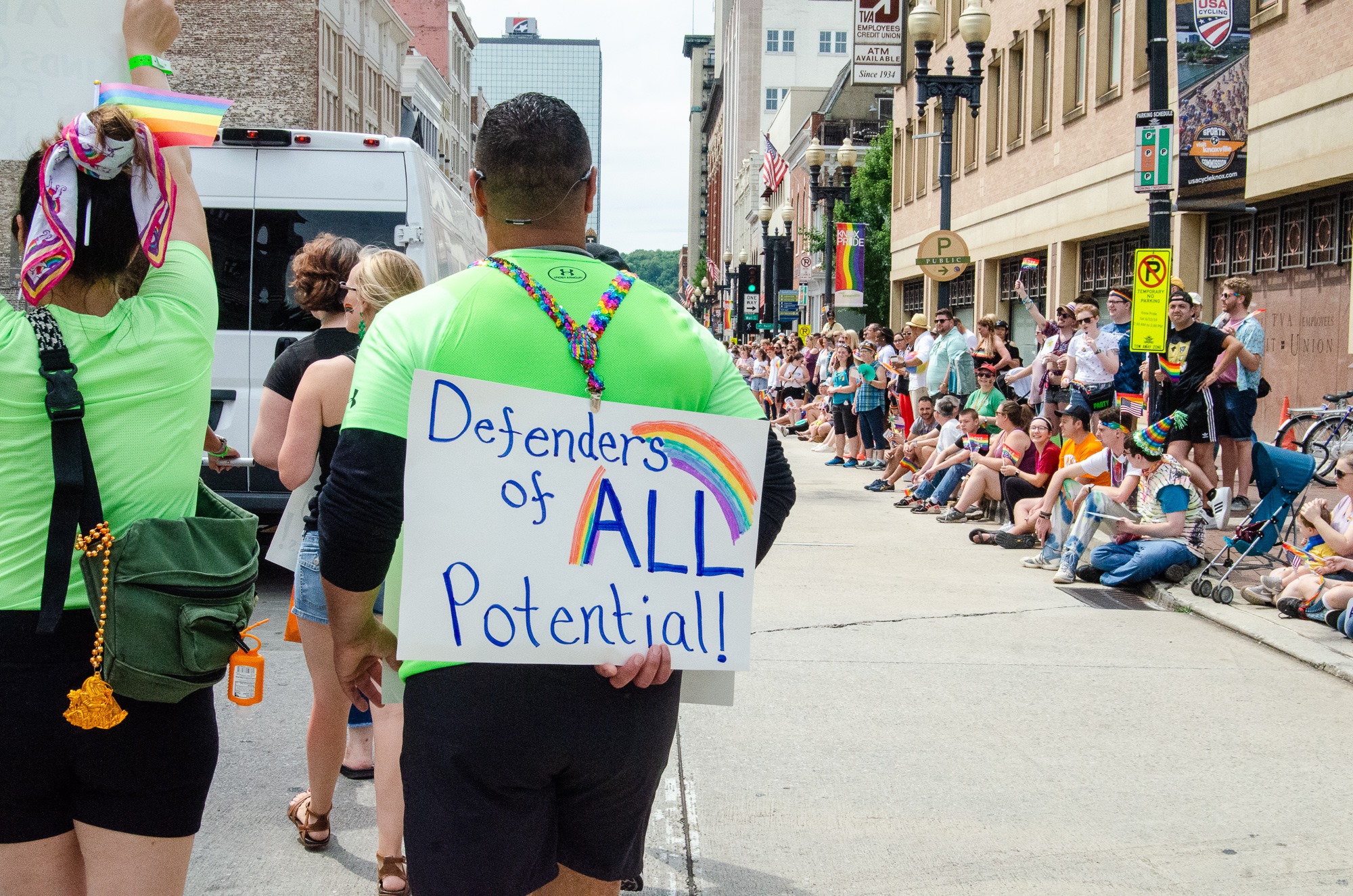
Mentorship is a powerful tool for fostering growth and confidence in young people. For LGBTQ+ youth, having a supportive mentor can be especially important. As we celebrate Pride Month, we wanted to explore how mentors can provide specific support to LGBTQ+ Littles, including guidance on coming out, dealing with discrimination, and fostering self-acceptance.
Guidance on Coming Out
Coming out is a significant and personal decision for LGBTQ+ youth and is often accompanied by anxiety about acceptance/fear of rejection. Mentors can play a pivotal role in this process by providing a safe, non-judgmental space where Littles can express their feelings and explore their identity. Here are some ways mentors can offer support:
- Listening Without Judgment: One of the most crucial roles of a mentor is to listen actively and empathetically. LGBTQ+ youth need to feel heard and understood, and mentors should provide reassurance that their feelings are valid.
- Sharing Resources: Mentors can help Littles access resources such as LGBTQ+ support groups, literature, and online communities. These resources can provide additional support and information, helping Littles feel less isolated.
- Respecting Their Pace: Coming out is a deeply personal journey, and it’s essential for mentors to respect their Little’s pace. Pushing them to come out before they are ready can be harmful. Instead, mentors should provide steady support and reassurance, allowing their Littles to come out when they feel safe and prepared.
Dealing with Discrimination
Discrimination and prejudice are unfortunate realities for many LGBTQ+ youth. Mentors can help Littles navigate these challenges by equipping them with strategies to deal with discrimination and by advocating on their behalf. Key actions mentors can take include:
- Building Resilience: Mentors can help Littles build resilience by reinforcing their strengths and encouraging positive self-talk. This can empower Littles to face discrimination with confidence and maintain their self-worth.
- Providing Advocacy Tools: Teaching Littles how to advocate for themselves in difficult situations is a valuable skill. This might include role-playing scenarios, discussing appropriate responses to discrimination, and educating Littles on their rights.
- Creating Support Networks: Mentors can assist Littles in building a network of supportive friends, family members, and community allies. A strong support system can provide comfort and solidarity, making it easier for Littles to cope with discrimination.
Fostering Self-Acceptance
Self-acceptance is a critical aspect of mental health and well-being for LGBTQ+ youth. Mentors can play a significant role in helping Littles embrace their identities and develop a positive self-image. Strategies for fostering self-acceptance include:
- Affirming Their Identity: Mentors should consistently affirm and validate their Little’s identity. This involves using their preferred names and pronouns, acknowledging their experiences, and celebrating their uniqueness.
- Encouraging Positive Role Models: Exposure to positive LGBTQ+ role models can help Littles see that a happy, successful future is possible. Mentors can introduce their Littles to inspiring figures in the LGBTQ+ community through books, movies, and local events.
- Promoting Self-Care: Mentors can teach Littles the importance of self-care and encourage activities that promote mental and emotional well-being. This might include hobbies, journaling, exercise, or other forms of self-expression.
Mentors have the power to significantly impact the lives of LGBTQ+ youth by providing the support, guidance, and acceptance they need to thrive.
For more information on how to support LGBTQ+ youth, you can refer to resources provided in The LGBTQ Supplement to the Elements of Effective Practice for Mentoring. This guide offers valuable insights and strategies for mentors committed to making a positive difference in the lives of LGBTQ+ youth.